
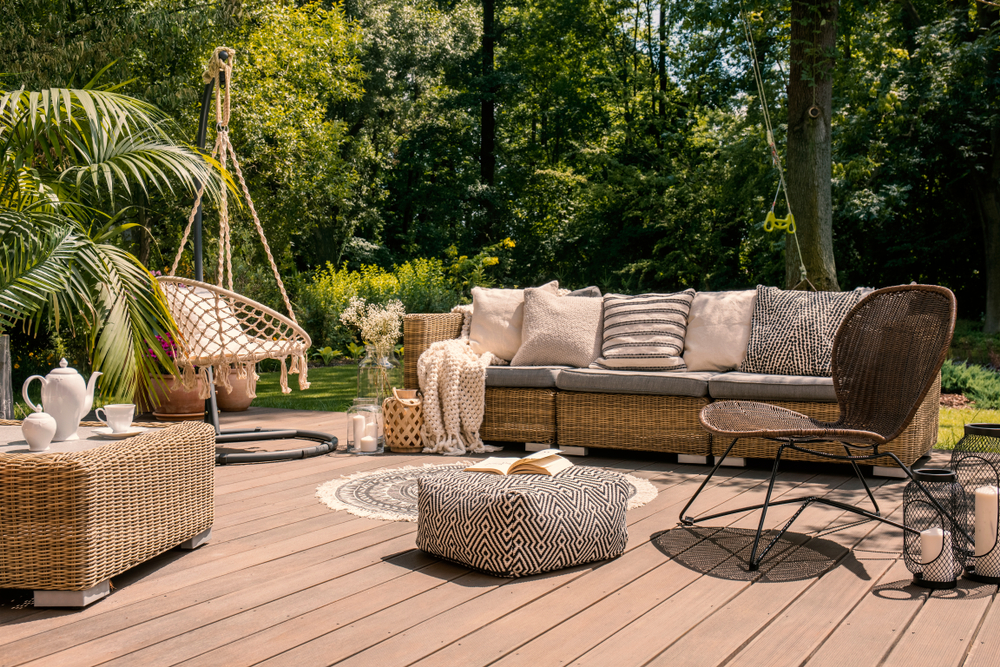
Best Wicker Furniture for Florida Patios and Coastal Homes
August 23, 2026 5:17 pm Leave your thoughtsA patio in Venice, Florida, has to handle more than sunny afternoons. Gulf Coast humidity, strong UV exposure, frequent summer rain, salty coastal air, and year-round outdoor living can all influence how wicker furniture looks and performs over time.
Quick answer: The best wicker furniture for Florida patios and coastal homes is designed for outdoor exposure, with weather-resistant woven materials, durable frames, outdoor-rated cushions, and construction suited to heat and humidity. For homes around Venice and the Gulf Coast, it also helps to choose furniture based on where it will sit, since a covered lanai, screened pool enclosure, and fully exposed patio create very different conditions.
What local homeowners should know
-
Outdoor-rated synthetic wicker is generally a more practical choice for exposed Florida patios than natural wicker intended primarily for protected spaces.
-
Venice-area homes need furniture that can handle intense sunshine, humidity, rain, and moisture without requiring constant attention.
-
Coastal properties near the Gulf should also consider how salt-laden air can affect frames, hardware, and other furniture components.
-
Cushion construction and outdoor fabrics matter almost as much as the wicker itself in Southwest Florida’s wet summer conditions.
-
A covered lanai in Sarasota County may allow different furniture choices than an uncovered pool deck or patio.
What Type of Wicker Furniture Is Best for Florida?
The best wicker furniture for Florida is outdoor-rated woven furniture made with materials selected to tolerate UV exposure, moisture, heat, and regular use. Homeowners should evaluate the weave, frame, cushions, and intended placement together rather than choosing a set based on appearance alone.
Natural rattan, cane, and synthetic outdoor wicker are not interchangeable. Natural materials can be beautiful in interior rooms and appropriately protected spaces, while synthetic wicker is commonly chosen for areas with greater weather exposure.
At Rattan Wicker & Cane, we help shoppers consider where furniture will actually be used. That distinction is particularly useful around Venice, where outdoor spaces range from enclosed lanais to poolside seating exposed to sun and wind-driven rain.
Why Furniture Selection Matters on Florida’s Gulf Coast
Furniture selection matters on Florida’s Gulf Coast because heat, moisture, sunshine, storms, and coastal air can create demanding conditions for outdoor furnishings. Materials that work well in a protected interior or mild climate may require more care when placed outdoors in Southwest Florida.
Residents from Venice Island to South Venice and Nokomis are familiar with the combination of bright sun and humid weather. During the wetter part of the year, outdoor furniture may also encounter repeated moisture before it has much time to dry.
Homes closer to the Gulf can face another consideration: salty coastal air. That makes the complete construction of a furniture piece important, including its frame and hardware rather than just the visible weave.
Local Climate and Field Considerations
Southwest Florida’s climate makes exposure level one of the most useful factors when choosing wicker furniture. A piece beneath a deep covered lanai experiences a different environment from furniture beside an uncovered pool, even when both pieces are located at the same property.
Rather than treating every outdoor area alike, consider four conditions:
-
How many hours of direct sunlight reach the furniture?
-
Can blowing rain reach it?
-
Is the space screened, roofed, or completely open?
-
How close is the property to coastal salt exposure?
These practical observations help Venice homeowners narrow their choices without assuming that one material is ideal for every location.
How Florida Weather Affects Wicker Furniture
Florida weather can affect wicker furniture through UV exposure, moisture, heat, airborne salt, and repeated wet-and-dry cycles. The degree of impact depends on the furniture materials and whether the patio is enclosed, covered, screened, or exposed.
Sunlight can fade or weather outdoor materials over time. Moisture can create additional maintenance concerns, particularly when cushions remain wet or furniture sits where air circulation is limited.
For coastal homes around Casey Key, Nokomis, and the broader Sarasota County shoreline, salt exposure is another reason to pay attention to frames and hardware. Even attractive wicker deserves a closer look beneath the weave.
Warning Signs Your Patio Furniture May Not Suit the Space
Common warning signs include fading, brittle or damaged weave, corrosion, slow-drying cushions, and furniture that requires more maintenance than expected. These problems can indicate that the furniture’s materials or placement are not well matched to local outdoor conditions.
Watch for:
-
Wicker strands becoming brittle, cracked, loose, or broken.
-
Noticeable fading on surfaces receiving strong afternoon sun.
-
Rust or corrosion appearing on exposed frame components or hardware.
-
Cushions remaining damp long after a summer shower.
-
Persistent musty odors in cushions or upholstery.
-
Sagging seating or changes in frame stability.
-
Furniture requiring frequent moving or covering to remain usable.
One isolated sign does not necessarily mean an entire set needs replacement. It does provide a reason to inspect the furniture more closely.
When Should You Ask a Furniture Specialist for Help?
A furniture specialist can help when you are unsure whether a wicker set is suitable for your patio’s exposure, dimensions, comfort needs, or coastal environment. Professional guidance is particularly useful before investing in multiple coordinated pieces for a lanai, pool enclosure, or outdoor entertaining area.
Homeowners can safely measure their spaces, observe sunlight and rain exposure, and compare general material requirements themselves. The harder part is determining how construction, comfort, proportions, and intended use come together.
Visiting a local furniture specialist also gives you an opportunity to evaluate details that are difficult to judge from a photograph, including seat depth, cushion feel, weave appearance, and overall scale.
Common Reasons Outdoor Furniture Struggles in Southwest Florida
The most common reasons outdoor furniture struggles locally are excessive sun exposure, persistent moisture, coastal air, unsuitable materials, and poor placement. Understanding these conditions before purchasing can help homeowners choose pieces that better fit their particular patio.
1. Strong UV exposure
An uncovered patio can receive hours of intense Florida sunlight. Outdoor-rated materials are the logical starting point for these spaces.
2. Frequent moisture
Summer weather around Venice can bring regular rain and humidity. Cushion materials, drying conditions, and airflow therefore deserve careful consideration.
3. Coastal air
Properties closer to the Gulf may experience greater salt exposure. Frames and hardware should be considered along with the woven exterior.
4. Incorrect furniture for the location
A beautiful piece intended for a protected setting may not be appropriate beside an uncovered pool. Matching the product to its actual environment is more important than simply finding a style labeled “coastal.”
How to Maintain Wicker Furniture in Florida
Maintaining wicker furniture in Florida starts with routine cleaning, moisture management, shade when practical, and regular inspections for wear. A few simple habits can make outdoor living spaces easier to care for throughout the humid and rainy parts of the year.
Remove loose dirt and debris before it becomes embedded in the weave. Follow the furniture manufacturer’s cleaning instructions rather than assuming one cleaner is safe for every material.
After heavy rain, allow cushions and furniture surfaces to dry with good airflow. If removable cushions are designed to be stored, putting them in a dry, ventilated location during extended periods of severe weather or non-use can reduce unnecessary exposure.
Before and during the summer rainy season, inspect woven surfaces, frames, feet, hardware, and cushions. DIY maintenance should stop when structural repairs, specialized refinishing, or uncertain material compatibility becomes an issue.
What Results Should You Expect From Quality Outdoor Wicker?
Quality outdoor wicker should provide comfortable, attractive seating that is appropriately matched to its intended environment, but no outdoor furniture is maintenance-free. Florida homeowners should expect to clean, inspect, and care for their furniture according to its materials and level of exposure.
The goal is not to find furniture that somehow ignores the local climate. It is to select pieces whose construction and care requirements make sense for how you live.
A family using a screened lanai every evening may prioritize deep seating and comfort. Someone furnishing a smaller patio near downtown Venice might place greater value on compact dimensions and flexible arrangements.
Common Wicker Furniture Buying Mistakes
The biggest wicker furniture buying mistakes involve choosing by appearance alone, ignoring exposure, overlooking dimensions, and forgetting about cushion care. A better approach is to evaluate the entire outdoor environment before settling on a style.
Mistake: Choosing indoor wicker for an exposed area.
Consequence: The furniture may face conditions it was not designed to handle.
Better approach: Confirm the intended use and recommended environment.
Mistake: Measuring only the furniture footprint.
Consequence: Chairs may technically fit but leave too little room to walk comfortably.
Better approach: Account for circulation, doors, tables, and how chairs will be used.
Mistake: Ignoring cushion storage and drying.
Consequence: Florida rain can turn cushion care into a recurring chore.
Better approach: Consider outdoor fabric, cushion construction, airflow, and storage before buying.
Mistake: Shopping only for a “coastal” look.
Consequence: Coastal styling does not automatically mean coastal suitability.
Better approach: Evaluate construction first and aesthetics alongside it.
A Common Venice Patio Scenario
A common Venice patio scenario involves homeowners replacing an older seating arrangement on a screened lanai and wanting something comfortable enough for frequent use without overlooking Florida’s climate. The challenge is balancing appearance, available space, cushion care, and environmental exposure.
For example, a homeowner might initially focus on a large sectional because it looks inviting. Measuring the lanai could reveal that a sofa with coordinating lounge chairs provides better circulation and easier access to the pool area.
This is a common local scenario, not a specific customer case study. It illustrates why planning the room is often just as important as choosing the furniture.
Which Wicker Furniture Pieces Work for Florida Outdoor Spaces?
The most useful wicker furniture pieces depend on how the outdoor space is used, with sofas and lounge chairs supporting relaxation while dining sets and occasional tables support entertaining. Matching the configuration to daily habits can produce a patio that feels more like a functional room.
Potential solutions include outdoor wicker sofas, loveseats, lounge chairs, dining furniture, occasional tables, and coordinated seating arrangements. Smaller patios may benefit from fewer appropriately scaled pieces rather than trying to reproduce a large outdoor living room.
Outdoor Wicker vs. Natural Rattan and Cane
Outdoor wicker is generally the stronger choice for weather-exposed patios, while natural rattan and cane are better evaluated for interior or appropriately protected environments. The right selection depends on where the piece will live, how much weather reaches it, and the manufacturer’s intended use.
Natural rattan and cane offer distinctive textures that complement Florida interiors, sunrooms, and coastal-inspired spaces. Outdoor-rated synthetic wicker is typically the more practical category to investigate for exposed patios and pool areas.
Rather than treating one as universally better, choose according to environment. Venice homes often include both indoor and outdoor living areas, making it possible to use different woven materials where each is most appropriate.
Where Do We Serve?
We help shoppers in Venice and surrounding Gulf Coast communities explore wicker, rattan, and cane furniture for their homes and outdoor living spaces. Nearby communities may include Nokomis, Osprey, Englewood, and other areas of Sarasota County, depending on the customer’s needs.
Local shopping can be especially helpful when you want to compare proportions, comfort, materials, and finishes in person.
What Does Choosing the Wrong Patio Furniture Cost?
Choosing furniture poorly suited to its environment can lead to premature wear, additional maintenance, uncomfortable layouts, and earlier replacement. For Florida homeowners, the better approach is to consider exposure and construction before purchasing rather than discovering after a rainy season that a set does not fit the space or lifestyle.
Cost is not simply the purchase price. Furniture that is frustrating to maintain or uncomfortable to use may deliver less value even if it was initially inexpensive.
FAQ
Is wicker furniture good for outdoor use in Venice, Florida?
Yes, wicker furniture can be well suited to outdoor use in Venice when the specific furniture is designed for outdoor conditions. Look at the woven material, frame, cushions, and manufacturer’s intended use. Exposure also matters because furniture beneath a covered lanai faces different conditions from furniture on an open patio.
What is the best wicker for Florida humidity?
Outdoor-rated synthetic wicker is generally the category to consider for humid, weather-exposed Florida spaces. The weave is only part of the decision, however. Frames, hardware, cushions, airflow, and placement also affect how practical a set will be during Sarasota County’s warm, humid, and rainy conditions.
Can natural rattan furniture stay outside in Florida?
Natural rattan should not automatically be treated as outdoor furniture simply because it has a tropical appearance. For a Venice home, confirm the manufacturer’s intended environment before placing natural rattan outdoors. Protected interior spaces, enclosed rooms, or other appropriately sheltered locations may be more suitable depending on the specific piece.
What patio furniture is best near the Gulf?
Patio furniture near the Gulf should be selected with sun, moisture, wind, and salt exposure in mind. Coastal homeowners around Venice, Nokomis, and Casey Key should consider the complete construction, including the frame and hardware, rather than judging durability from the visible wicker weave alone.
Should I cover wicker patio furniture during Florida’s rainy season?
Covering or protecting furniture may reduce exposure, but the correct approach depends on the specific product and its manufacturer’s care instructions. Around Venice, good airflow is also important after rain. Avoid trapping moisture beneath a cover, and store removable cushions appropriately when extended severe weather or non-use makes that practical.
How often should outdoor wicker be cleaned in Sarasota County?
Outdoor wicker should be cleaned as needed based on its exposure rather than according to one universal schedule. Furniture near trees, pools, busy roads, or the coast may collect debris more quickly. Regular light cleaning and inspection can be easier than allowing dirt to accumulate deeply within the weave.
Is wicker furniture suitable for a screened lanai?
Yes, outdoor wicker can be an excellent option to consider for a screened lanai because the space combines outdoor living with some protection from direct weather. In Venice, evaluate how much sun and wind-driven rain still reach the furniture, since screened enclosures can vary significantly in orientation and coverage.
Should I choose light or dark wicker for a Florida patio?
Choose wicker color based on your design preferences, surrounding finishes, exposure, and the manufacturer’s material characteristics rather than assuming one color is always best for Florida. Light neutrals can complement coastal interiors, while darker tones can create contrast. Cushion and fabric selections can also change the overall look substantially.
Create a Patio That Fits Florida Living
Choosing wicker furniture for a Gulf Coast home is easier when you start with the environment rather than the style catalog. By considering sun, rain, humidity, coastal exposure, available space, and everyday use, you can build an outdoor area that feels comfortable and appropriate for local living.
Find Wicker Furniture for Your Venice-Area Home
We can help you explore furniture options that fit your space, style, and intended use while considering the realities of Southwest Florida living.
Categorised in: Outdoor Furniture
This post was written by admin