
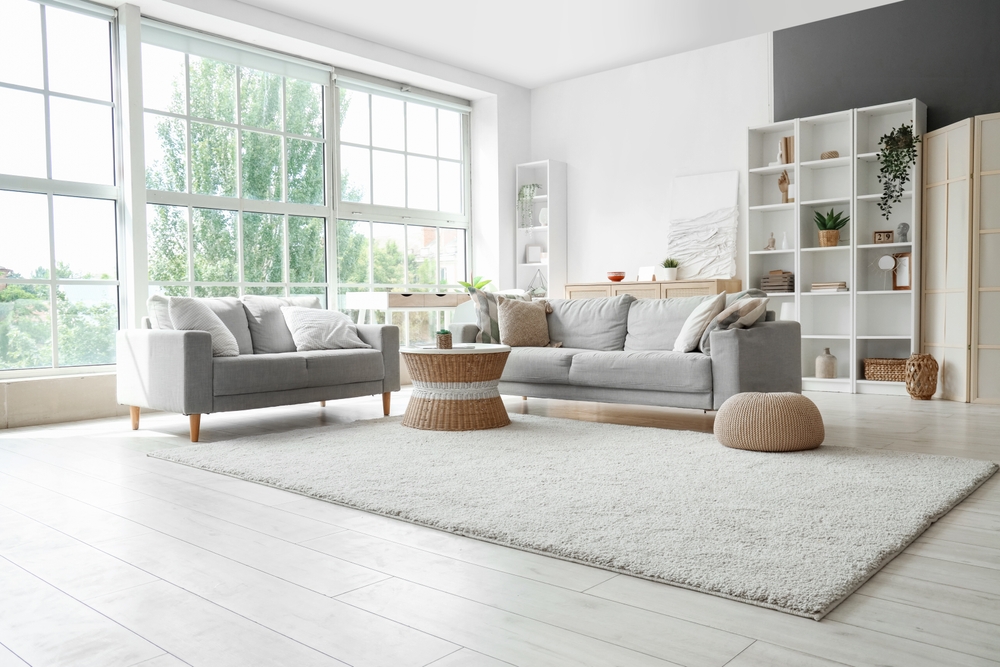
Best Rattan Furniture for Florida Sunrooms and Lanai Spaces
October 8, 2026 2:39 pm Leave your thoughtsFlorida sunrooms and lanais are made for relaxing, but they create a unique furniture challenge. Around Venice, bright Gulf Coast sunshine, warm temperatures, humidity, and seasonal rain can all influence which furniture materials and placements make sense.
The best rattan furniture for Florida sunrooms and protected lanai spaces combines comfortable seating, breathable natural texture, and a design suited to the amount of sun and moisture the space actually receives. Natural rattan and cane are generally best suited to enclosed or well-protected areas, while more weather-resistant materials may be appropriate where furniture is exposed to rain and outdoor conditions.
What local homeowners should know
-
Natural rattan works especially well in enclosed sunrooms and protected lanais where it is sheltered from direct rain.
-
Venice-area homes can experience strong sunlight and high humidity, so furniture placement and ventilation deserve consideration.
-
Cushions and upholstery should be selected with the room’s actual exposure to sunlight, moisture, and everyday use in mind.
-
A screened lanai near the Gulf can have very different conditions from a fully air-conditioned Florida room.
-
Furniture scale matters because oversized seating can quickly make smaller lanais and condo sunrooms feel crowded.
Why Does Furniture Choice Matter in Florida Sunrooms and Lanais?
Furniture choice matters in Florida sunrooms and lanais because these spaces often sit between fully indoor and fully outdoor living. Sun exposure, warm air, humidity, wind-driven moisture, and the amount of climate control can vary considerably from one room to another.
That distinction is particularly relevant on Florida’s Gulf Coast. Venice is in Sarasota County on the Gulf of Mexico, and local government describes the area as having a semi-tropical climate. Sarasota County materials also characterize the regional climate as humid subtropical, with hot, humid summers and warm, drier winters.
A glass-enclosed sunroom near Venice Island, for example, may protect furniture from rain but receive hours of intense sunlight. A screened lanai farther inland may get more airflow but also allow moisture inside during summer storms.
At Rattan Wicker & Cane, we believe furniture should be chosen for the room where it will actually live, not simply because a piece looks appropriate for a Florida home.
What Rattan Furniture Works Best for a Florida Sunroom?
The best rattan furniture for a Florida sunroom is appropriately scaled, comfortable, and protected from excessive moisture while fitting the room’s natural light and traffic pattern. Sofas, lounge chairs, swivel chairs, ottomans, side tables, and occasional pieces can all work depending on the size and use of the room.
Natural rattan has a light, relaxed appearance that complements the indoor-outdoor character common to Florida rooms. Cane details can add visual texture without making the space feel heavy.
For a sunroom that serves as an everyday living area, start with the main seating. A sofa or loveseat can anchor a larger room, while two comfortable chairs may be a better fit for a compact condo or villa.
Then add smaller pieces only where they serve a purpose. An ottoman, side table, or accent chair can make the room more functional without filling every available corner.
Is Natural Rattan a Good Choice for a Lanai?
Natural rattan can be a good choice for a well-protected lanai, but it should not automatically be treated as all-weather outdoor furniture. Before choosing it, consider whether your lanai is enclosed, screened, covered, or exposed to rain, persistent dampness, and wind-driven weather.
This distinction matters during Southwest Florida’s wetter months. Sarasota County’s climate includes a pronounced rainy season, and Gulf Coast storms can bring moisture into spaces that seem protected during calm weather.
A deeply covered lanai with good protection can create a very different environment from a poolside patio or open porch.
If your furniture will routinely get wet, tell us how the space is configured before selecting a piece. Choosing furniture according to actual exposure is more useful than relying on the broad label of “lanai furniture.”
What Should Venice Homeowners Look for When Choosing Rattan Furniture?
Venice homeowners should evaluate sun exposure, moisture exposure, room dimensions, cushion needs, and how frequently the furniture will be used before choosing rattan pieces. These factors help narrow the choices to furniture that fits both the home’s style and the practical demands of Gulf Coast living.
Pay particular attention to:
-
Sun exposure: Watch the room at different times of day to see where direct sunlight falls.
-
Rain protection: Determine whether wind-driven rain can reach the furniture through screens or openings.
-
Room dimensions: Measure the available space and major walkways before shopping.
-
Comfort: Consider seat depth, back support, cushion firmness, and how you prefer to sit.
-
Daily use: Furniture for morning coffee may have different requirements from seating used for hours of entertaining.
-
Existing décor: Look at flooring, wall colors, window treatments, and nearby indoor furniture before selecting finishes.
These considerations apply whether your home is close to Venice Beach, near the Intracoastal Waterway, around South Venice, or farther east toward newer residential communities.
What Are the Warning Signs That Your Current Sunroom Furniture Is Not Working?
Sunroom or lanai furniture may need attention when fading, persistent dampness, uncomfortable seating, damaged finishes, poor room flow, or deteriorating cushions begin interfering with the space. Florida conditions can also make problems more noticeable when furniture was originally selected for a different environment.
Watch for these signs:
-
Cushions remain damp or develop persistent odors.
-
Upholstery has noticeably faded in areas receiving strong sunlight.
-
Furniture blocks doors, screens, or natural walking paths.
-
Seating feels uncomfortable enough that the room is rarely used.
-
Natural materials show visible deterioration or damage.
-
Cushions no longer provide adequate support.
-
The furniture feels disproportionately large or small for the room.
Some cosmetic changes may simply reflect age and normal use. Structural damage, recurring moisture problems, or significant deterioration deserve closer attention before you continue using the piece.
What Common Local Conditions Affect Rattan Furniture?
The most common Venice-area conditions affecting sunroom and lanai furniture are strong sunlight, humidity, seasonal moisture, and the transition between air-conditioned interiors and warmer semi-outdoor spaces. The amount of exposure matters more than the name given to the room.
Sarasota County sits along Florida’s west coast, and county planning materials describe hot, humid summers as a defining part of the local climate. For homeowners, that makes ventilation and moisture awareness particularly useful.
Sunlight is another consideration. A west-facing Florida room can receive strong afternoon light, while a north-facing covered lanai may stay considerably more protected.
Proximity to the coast can add another consideration. Homes around Venice Island, Nokomis, Casey Key, and other Gulf-adjacent areas live in a coastal environment, making appropriate placement and routine furniture care especially worthwhile.
How Can You Help Rattan Furniture Last Longer?
You can help rattan furniture last longer by keeping natural pieces protected from direct rain, managing moisture, cleaning them appropriately, and reducing unnecessary prolonged sun exposure. Regular light maintenance is usually better than waiting until dirt, dampness, or deterioration becomes obvious.
Keep natural rattan in an enclosed or well-protected location appropriate for the material. Address spills promptly and follow the furniture manufacturer’s care recommendations where available.
For rooms receiving intense afternoon sunlight, consider furniture placement and window treatments that reduce continuous direct exposure. Rotate removable cushions periodically if one side consistently receives more sun.
During Southwest Florida’s wetter season, periodically check screened lanais after heavy rain. A chair that stays dry during ordinary showers may still get wet when wind pushes rain through a screen.
What Mistakes Should Florida Homeowners Avoid?
Florida homeowners should avoid treating every rattan or wicker piece as outdoor furniture, buying without measuring, and choosing upholstery without considering the room’s exposure. These mistakes can result in furniture that looks right in a showroom but does not suit the actual sunroom or lanai.
Mistake: Assuming “wicker” describes weather resistance.
Consequence: A piece may be placed where conditions are inappropriate for its materials.
Better approach: Ask what the furniture is made from and where it is designed to be used.
Mistake: Shopping before measuring.
Consequence: A sofa or chair can overwhelm a smaller lanai.
Better approach: Measure the room, doorways, and desired walking paths first.
Mistake: Ignoring afternoon sun.
Consequence: One part of the furniture may receive much more UV exposure than expected.
Better approach: Observe the room throughout the day before deciding on placement.
Mistake: Choosing only by appearance.
Consequence: Beautiful furniture may remain unused if it is uncomfortable.
Better approach: Consider comfort and everyday function alongside style.
What Is a Common Venice Sunroom Furniture Scenario?
A common Venice sunroom scenario is a homeowner replacing heavy indoor furniture with pieces that better match a bright, casual Florida living space. The goal is often to make the room comfortable enough for morning coffee, reading, conversation, or entertaining without making it feel crowded.
Imagine an enclosed room overlooking a pool cage or backyard. Large upholstered furniture may visually dominate the space. A more appropriately scaled rattan seating arrangement can create a lighter look while preserving comfortable seating.
This is a general local scenario, not a specific customer project. Every room should be evaluated according to its dimensions, exposure, and intended use.
What Furniture Options Should You Compare?
The most useful comparison is between natural rattan for protected spaces and furniture specifically designed for greater outdoor exposure. The right choice depends on whether your Florida room behaves like an indoor room, a protected transition space, or a true outdoor environment.
An enclosed, climate-controlled sunroom usually provides the most protection. A covered and screened lanai may still experience humidity and wind-driven moisture. An uncovered patio has substantially greater exposure.
We can help you think through those differences before you select furniture.
What Areas Around Venice Can Benefit From Sunroom and Lanai Furniture?
Sunroom and lanai furniture is especially relevant throughout Venice and surrounding Sarasota County communities where indoor-outdoor living is part of the home’s layout. Homeowners in South Venice, Nokomis, Venice Island, and nearby Gulf Coast communities can use the same exposure-first approach when choosing furniture.
The important question is not simply where the home is located. It is how much protection the individual room provides.
What Is the Cost of Choosing the Wrong Furniture for a Lanai?
Choosing furniture that does not match the lanai’s conditions can lead to premature wear, disappointing comfort, poor use of space, or the need to replace pieces sooner than expected. Taking measurements and understanding material limitations before buying can help reduce avoidable problems.
This is especially useful in Southwest Florida, where a screened room may feel protected while still receiving humidity, intense sunlight, and occasional wind-driven rain.
FAQ About Rattan Furniture for Florida Sunrooms and Lanais
Is rattan furniture good for a Florida sunroom?
Yes, rattan furniture can be an excellent choice for a Florida sunroom when the room provides appropriate protection from moisture and weather. Its natural texture also complements the bright, casual character of many Gulf Coast homes. Consider direct sunlight, humidity, ventilation, and everyday use when choosing individual pieces.
Can natural rattan furniture go on a screened lanai in Venice?
Natural rattan may work on a well-protected screened lanai in Venice, but the amount of weather exposure should be evaluated first. Screens do not necessarily stop wind-driven rain or humidity. If the area frequently becomes wet, furniture designed for greater outdoor exposure may be a more appropriate choice.
What is the difference between rattan and wicker?
Rattan refers to a natural material, while wicker generally refers to a weaving technique rather than one specific material. Wicker furniture can therefore be made from different materials with different performance characteristics. Florida homeowners should ask about the actual construction instead of assuming all wicker has the same weather resistance.
Does Florida sunlight affect sunroom furniture?
Yes, prolonged direct sunlight can affect furniture finishes, fabrics, and other materials over time. In a Venice sunroom with large windows, watch where strong afternoon sunlight falls and consider placement accordingly. Window treatments and thoughtful furniture positioning may help reduce continuous exposure while keeping the room bright.
What furniture works well in a small Venice lanai?
Smaller-scale chairs, compact loveseats, ottomans, and appropriately sized occasional tables can work well in a small Venice lanai. Measure the room first and preserve comfortable pathways between doors and seating. Fewer well-proportioned pieces often create a more usable space than filling every open wall or corner.
How should I care for rattan furniture in Sarasota County’s humid climate?
Keep natural rattan protected from direct rain, address moisture promptly, maintain airflow, and follow the manufacturer’s cleaning instructions for the specific piece. Sarasota County’s hot, humid conditions make moisture awareness especially important. Periodically inspect furniture in semi-outdoor spaces rather than assuming a roof or screen keeps it completely protected.
Should I choose rattan furniture for a coastal Venice home?
Rattan can suit a coastal Venice home’s interior or protected living areas when the furniture’s material and placement are appropriate. A home near the Gulf may have different exposure conditions than an inland property, so consider whether the furniture will encounter direct weather, persistent moisture, or strong sunlight before deciding where it belongs.
Should I measure my sunroom before shopping for furniture?
Yes, measuring your sunroom before shopping helps you choose furniture that preserves comfortable seating and walking space. Record the room dimensions along with doors, windows, and openings to adjacent rooms. For Venice condos and villas with compact Florida rooms, furniture scale can be especially important to maintaining an open feel.
Find the Right Furniture for Your Florida Living Space
A comfortable Florida room should make it easier to enjoy the relaxed indoor-outdoor lifestyle that draws people to the Venice area. Choosing furniture based on material, comfort, room size, sunlight, and moisture exposure can help you create a space that feels inviting and works for everyday life.
At Rattan Wicker & Cane, we can help you explore furniture options for your sunroom or protected lanai and consider how they fit the conditions of your space.
Create a More Comfortable Venice Sunroom or Lanai
Bring your room measurements and an understanding of its sun and weather exposure, and we can help you consider appropriate options.
Categorised in: Rattan Furniture
This post was written by admin