
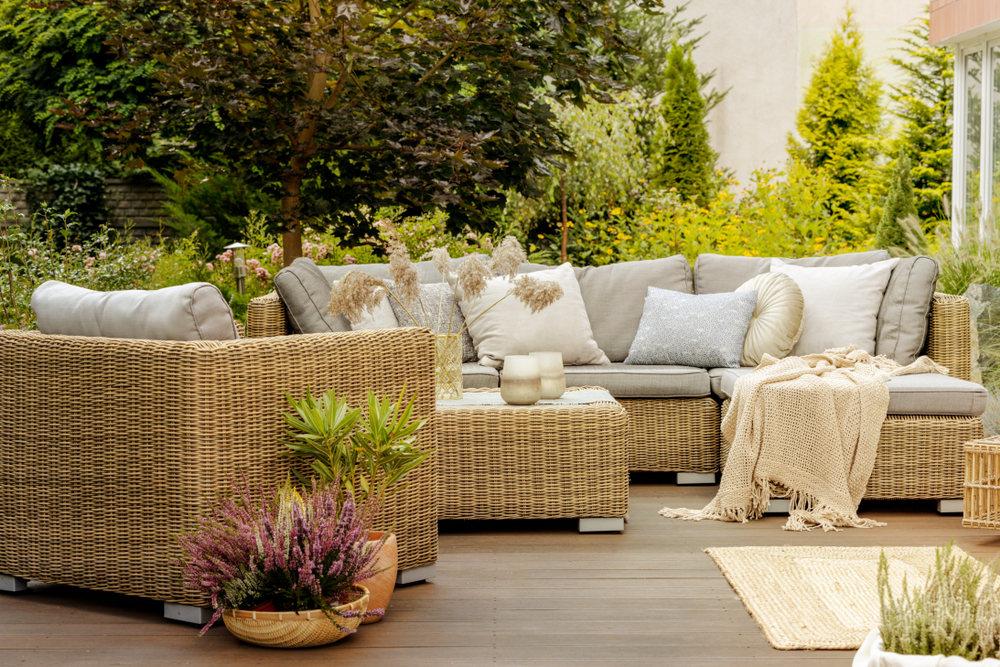
Rattan vs. Wicker vs. Cane Furniture: Which Is Best for Your Home?
September 13, 2026 4:06 pm Leave your thoughtsIn Venice, FL, furniture has to fit more than your decorating style. Coastal humidity, bright Florida sunlight, screened lanais, and the relaxed indoor-outdoor lifestyle common throughout Sarasota County can all influence which furniture makes sense for your home.
Quick answer: Rattan, wicker, and cane are related, but they are not the same thing. Rattan is a natural material used to make furniture, wicker is a weaving technique that can use natural or synthetic materials, and cane typically refers to the thinner outer layer of the rattan plant used for woven panels. For Venice homes, the best choice depends largely on where the furniture will be placed, how much moisture and sunlight it receives, and the look you want.
What Venice Homeowners Should Know About Rattan, Wicker, and Cane
The biggest difference is that rattan and cane describe materials, while wicker describes a method of construction. Understanding that distinction makes it easier to compare furniture based on appearance, placement, and everyday use.
-
Rattan is a natural material commonly shaped into furniture frames and decorative pieces.
-
Wicker describes a woven construction method and can be made with rattan, cane, other natural fibers, or synthetic materials.
-
Cane is generally associated with lighter woven surfaces such as chair backs, cabinet fronts, and seat panels.
-
Venice’s humid coastal climate makes placement especially important for furniture made with natural plant materials.
-
Covered lanais and sunrooms around Sarasota County may call for different furniture than fully climate-controlled living rooms.
Why Does Furniture Material Matter in Venice, FL?
Furniture material matters in Venice because heat, humidity, sunlight, and indoor-outdoor living can affect how different pieces age. A material that performs beautifully in an air-conditioned living room may require more consideration when placed on a lanai or near frequently opened doors.
Homes near the Gulf Coast experience conditions that are different from those in dry inland climates. Residents around Venice Island, South Venice, Nokomis, and nearby communities often incorporate coastal-inspired furnishings and spaces designed to transition naturally between indoors and outdoors.
At Rattan Wicker & Cane, we understand that choosing furniture is about finding the right combination of appearance, comfort, placement, and practicality. We help shoppers consider how different materials fit the way they actually use their Florida homes.
What Is Rattan Furniture?
Rattan furniture uses a natural climbing palm material that can form frames, curved details, and woven components. Its warm texture and organic appearance make it particularly well suited to the coastal, tropical, and casual interiors found throughout the Venice area.
Rattan can provide substantial structure while maintaining a visually light appearance. Depending on the furniture design, the material may be bent into curves, wrapped around joints, or combined with woven sections and cushions.
Natural rattan generally makes the most sense in protected interior spaces rather than locations exposed directly to Florida rain and intense sunlight. A living room, dining area, bedroom, or climate-controlled Florida room may provide a more suitable environment than an uncovered outdoor patio.
What Is Wicker Furniture?
Wicker furniture is furniture made using a weaving technique rather than one specific material. That means two pieces described as wicker can look similar while being constructed from very different materials, which is an important distinction for Venice homeowners.
Natural wicker may incorporate plant-based materials, including rattan. Synthetic wicker uses manufactured materials designed to create a similar woven appearance.
This distinction becomes especially relevant when shopping for a lanai or other semi-outdoor area. A homeowner near Venice Beach, for example, should not assume that every piece labeled “wicker” is intended for the same conditions.
Always consider the actual material, not just the woven appearance.
What Is Cane Furniture?
Cane furniture typically uses the outer portion of the rattan plant to create lighter woven surfaces and decorative panels. Cane is especially recognizable in chair backs and seats, where its open weave can add texture without making a room feel visually heavy.
Cane works particularly well with the airy decorating styles common in Southwest Florida. It can complement light woods, neutral fabrics, tropical accents, and the casual aesthetic seen in many Gulf Coast homes.
Because natural cane can respond to environmental conditions, placement still matters. Protected indoor locations are generally more appropriate than areas regularly exposed to rain or harsh weather.
How Does Venice’s Climate Affect Natural Furniture?
Venice’s warm, humid coastal climate makes moisture, direct sun, and exposure important considerations for natural rattan and cane furniture. Protected placement can help homeowners avoid putting naturally derived materials in environments for which they may not be suited.
Local residents are familiar with long stretches of warm weather, seasonal rain, strong sunshine, and humid air. Homes close to the Gulf may also have different exposure considerations than climate-controlled properties farther inland.
Furniture positioned directly beside a bright window may receive substantial sunlight. A lanai may be covered but still exposed to humid air and occasional wind-driven rain. An air-conditioned family room offers a very different environment.
Instead of choosing based on appearance alone, think about exactly where the piece will spend its time.
What Are the Warning Signs That Furniture Is in the Wrong Location?
Changes in color, weave, surface condition, stability, or fit can indicate that natural furniture is experiencing wear or environmental stress. Regular inspection is particularly useful in Florida homes where sunlight and humidity can vary significantly between rooms.
Watch for:
-
Noticeable fading in areas receiving frequent direct sunlight.
-
Loosening or changes in woven cane or wicker sections.
-
Cracks, splits, or rough areas developing in natural fibers.
-
Furniture that begins to feel unstable or uneven.
-
Persistent dampness after exposure to moisture.
-
Discoloration that appears after placement in a humid area.
-
Cushions or fabrics that remain damp in semi-outdoor spaces.
Catching changes early gives you an opportunity to reconsider placement or care before additional wear occurs.
Which Is Better for a Venice Lanai?
The best furniture for a Venice lanai is furniture specifically suited to the amount of sun, humidity, and moisture that reaches that particular space. Synthetic wicker may be worth considering for more exposed locations, while natural rattan or cane generally deserves greater protection from the elements.
Not every lanai has the same conditions. A deeply covered screened space in Wellen Park may receive limited direct rain, while another property could experience substantial afternoon sun or wind-driven moisture.
Before choosing furniture, look at the space throughout the day. Consider where sunlight falls, whether rain enters through screens, and whether furniture remains in humid outdoor air continuously.
How Should You Care for Rattan, Wicker, and Cane Furniture?
Rattan, wicker, and cane furniture generally benefit from gentle cleaning, careful moisture control, and protection appropriate to the material. Venice homeowners should also consider seasonal humidity and sun exposure when deciding where natural furniture belongs.
For routine care, remove surface dust gently and address spills promptly according to the furniture manufacturer’s care instructions. Avoid assuming that a natural material can be washed or soaked simply because it has a woven construction.
During Southwest Florida’s rainy season, pay closer attention to furniture in lanais, enclosed patios, and rooms that are regularly opened to outside air.
DIY care should stop when you notice structural damage, significant loosening, broken weaving, or another condition requiring repair rather than routine cleaning.
What Results Can You Expect From Choosing the Right Furniture?
Choosing furniture according to its material and intended location can give you a more practical combination of comfort, appearance, and appropriate everyday use. It also helps ensure that your furniture choice fits the realities of your Venice home rather than simply matching a showroom look.
Natural rattan can bring warmth and character to interior rooms. Cane can create an airy, detailed appearance. Wicker offers tremendous design variety because the weaving technique can be used with different materials.
There is no single winner for every home. The better question is which construction fits your room and lifestyle.
What Common Furniture-Buying Mistakes Should Venice Homeowners Avoid?
The most common mistakes involve confusing wicker with a material, overlooking furniture placement, and selecting pieces based only on appearance. A better approach is to evaluate the construction, intended environment, and daily use before making your choice.
Mistake: Assuming all wicker is natural.
Consequence: You may misunderstand how the piece should be used or cared for.
Better approach: Ask what material was actually woven to make the furniture.
Mistake: Putting natural furniture anywhere because the area is covered.
Consequence: A screened or roofed space may still receive humidity, sunlight, or rain.
Better approach: Evaluate actual exposure in your specific lanai.
Mistake: Choosing only by appearance.
Consequence: A beautiful piece may not fit how your household uses the room.
Better approach: Balance style with comfort, dimensions, placement, and maintenance.
Mistake: Treating cane, rattan, and wicker as interchangeable terms.
Consequence: Comparing products becomes more difficult.
Better approach: Identify the material and construction separately.
What Is a Common Furniture Scenario in Venice?
A common Venice scenario is a homeowner furnishing both an indoor living space and a screened lanai while wanting the two areas to share the same relaxed coastal style. Matching the appearance does not necessarily mean using identical materials in both locations.
For example, natural rattan or cane might provide the desired texture in a protected interior room. A more exposure-appropriate woven material could provide a complementary appearance on the lanai.
This allows the spaces to feel connected without overlooking their different environmental conditions.
How Can We Help You Compare Furniture Options?
We can help you compare rattan, wicker, and cane furniture based on where you plan to use it, the style you prefer, and the conditions surrounding that space. Seeing and comparing options can also make differences in construction, texture, scale, and comfort much easier to understand.
Whether you are furnishing a living room, dining area, bedroom, Florida room, or protected lanai, start with the room itself. Consider its dimensions, light exposure, traffic patterns, existing décor, and connection to outdoor spaces.
Rattan vs. Wicker vs. Cane: How Do You Choose?
Choose rattan for natural structure and warmth, cane for lighter woven detailing, and wicker when you want woven construction with material options that can vary by intended use. The final decision should account for placement, exposure, comfort, and the overall style of your Venice home.
For indoor spaces, natural rattan and cane can provide distinctive texture and character. For areas closer to outdoor conditions, understanding exactly what a wicker piece is made from becomes especially important.
Rather than asking which option is universally best, choose the option best suited to the room.
Where Do We Serve Local Furniture Shoppers?
We serve shoppers in Venice and surrounding Southwest Florida communities looking for rattan, wicker, cane, and complementary furniture options. Residents from nearby areas such as Nokomis, South Venice, Wellen Park, and other parts of Sarasota County can consider furniture based on their home’s layout, style, and intended placement.
Local conditions can vary even between nearby properties, so the room and exposure should always guide the final choice.
What Can Happen If You Choose the Wrong Furniture for the Space?
Choosing furniture without considering material and placement can lead to unnecessary wear, maintenance concerns, or a piece that simply does not function well in the room. This is particularly relevant in Venice homes with lanais, Florida rooms, large sunny windows, and spaces that frequently connect to the outdoors.
Taking time to understand what you are buying can help you make a more informed decision before furniture becomes part of your everyday living space.
FAQ
Is rattan the same thing as wicker?
No, rattan and wicker do not mean the same thing. Rattan is a natural material, while wicker describes a weaving method. Wicker furniture can therefore be made using rattan or other natural and synthetic materials. Knowing the actual material is especially useful when choosing furniture for a Venice home.
Is cane made from rattan?
Yes, furniture cane traditionally comes from the outer portion of the rattan plant. It is commonly woven into chair backs, seats, and decorative panels. Its lighter visual appearance can work particularly well with the airy, coastal interiors found throughout Venice and Sarasota County.
Is natural rattan good for outdoor furniture in Venice, FL?
Natural rattan generally deserves protection from direct outdoor weather. Venice receives substantial heat, humidity, sunlight, and seasonal rain, so homeowners should distinguish between natural rattan and furniture specifically intended for outdoor conditions before placing a piece on a patio, lanai, or other exposed space.
Is wicker good for a screened lanai in Venice?
Wicker can work in a screened lanai when the material and construction are appropriate for that environment. Because wicker describes a weaving technique, the word alone does not establish whether a piece is suitable for humidity or moisture. Consider the underlying material and the lanai’s actual exposure.
Does Florida humidity matter when choosing rattan or cane?
Yes, Florida humidity should be considered when choosing and placing natural rattan or cane furniture. A climate-controlled room in Venice provides different conditions from a screened lanai or Florida room that is frequently open to humid outside air, so placement and manufacturer care guidance are important.
Which looks more coastal, rattan or cane?
Both rattan and cane can complement a coastal interior, but they create somewhat different visual effects. Rattan often provides more substantial curved or structural elements, while cane can create lighter woven detailing. Both can coordinate naturally with the relaxed interiors common around Venice and the Gulf Coast.
Can rattan and cane furniture be used in the same room?
Yes, rattan and cane can work together because the materials are closely related and can provide complementary natural textures. Venice homeowners can combine them with upholstery, wood, and other finishes to create layered rooms without requiring every furniture piece to use the same material or construction.
Should I choose furniture differently for a Venice Island home and an inland home?
You should choose furniture according to the conditions inside the specific property rather than location alone. Sun exposure, air conditioning, screened openings, room placement, and moisture exposure can differ between a Venice Island residence and a home farther inland, making the individual space the more useful guide.
Find the Right Furniture for Your Venice Home
Choosing between rattan, wicker, and cane becomes much easier once you understand what each term actually means and how the furniture will be used. For Southwest Florida homeowners, pairing the right material with the right location can help create a comfortable, cohesive space suited to the area’s distinctive indoor-outdoor lifestyle.
Bring the Right Coastal Style Home
We can help you explore furniture options that complement your space, style, and the way you live in Southwest Florida.
Categorised in: Furniture Store
This post was written by admin